
New Builds and Wear and Tear: What Owners Should Expect
A brand new home starts to show signs of everyday living from the first week a tenant moves in. That is normal and it is not something a tenant can be charged for.
We understand the feeling. You have paid for a home with perfect paint, unmarked floors and shiny fittings, so the first scuff or worn patch can feel like damage. Under the Residential Tenancies Act a tenant is only responsible for damage that goes beyond normal use. Even then the amount they pay depends on how the damage happened.
In this article we cover what fair wear and tear looks like in a new build, the different levels of damage the law recognises and how The Rent House looks after your investment.
What fair wear and tear looks like in a new build
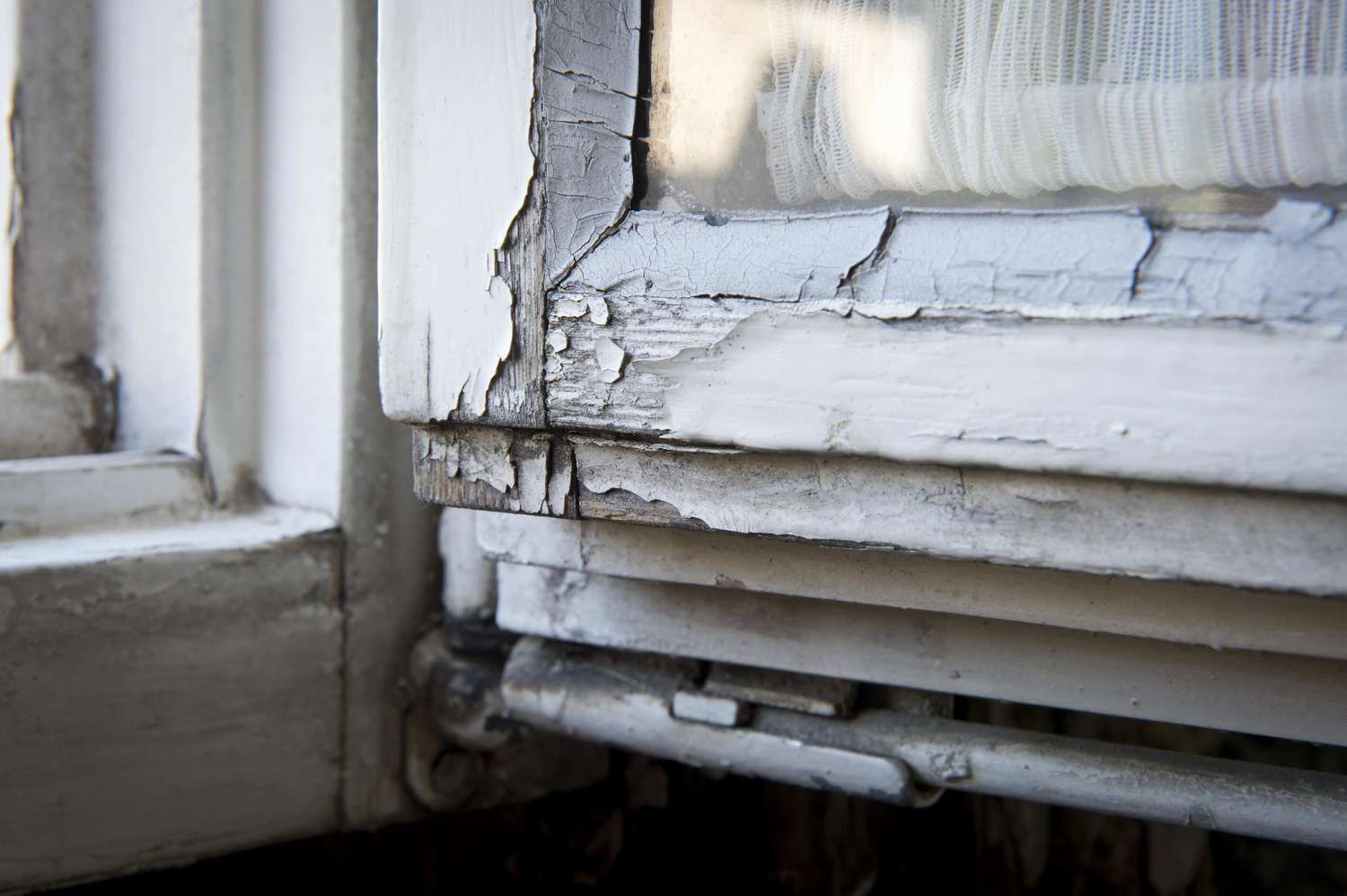
Tenancy Services describes fair wear and tear as “the gradual deterioration of things that are used regularly in a property”. Tenants are not responsible for it when the home and its chattels are used normally. That applies to a home that is one month old in the same way it applies to one that is 30 years old.
Common examples we see in new builds within the first year or two:
- Light scuffs and marks on walls around light switches, door frames and hallways
- Carpet flattening or slight fading in high-traffic areas such as hallways and in front of the couch
- Paint looking duller in busy areas or where the sun hits it
- Fine surface scratches on benchtops, hard floors and appliances from day-to-day use
- Grout and silicone starting to discolour in showers and around sinks
- Door handles, hinges and cupboard catches loosening with regular use
- Curtains and blinds fading in the sun
- Small furniture marks or indents in carpet where furniture has stood
Settling and building defects
Some items that look like tenant damage in a new home are part of the house settling or a building issue. Timber framing dries out and the house moves slightly over the first couple of years, which can cause:
- Hairline cracks in plasterboard, often above doors and windows
- Nail or screw pops showing through paintwork
- Doors and windows that start to stick or no longer latch
- Gaps opening up at skirting boards, cornices and joinery
These are not caused by the tenant. They are usually a matter for the builder under the defect repair period or warranty, which is why it pays to keep your builder paperwork handy.
The levels of damage
The Residential Tenancies Act sorts damage into levels and how much a tenant pays depends on which level it falls into. A new build does not change these rules.
1. Fair wear and tear. Normal deterioration from everyday living. The tenant is not liable and the cost sits with the owner as part of normal upkeep.
2. Accidental damage. A genuine accident by the tenant that is neither careless nor intentional, or damage from events outside the tenant’s control such as burglary, storms, floods and earthquakes. The tenant is not liable. The owner covers the repair, usually through their insurance.
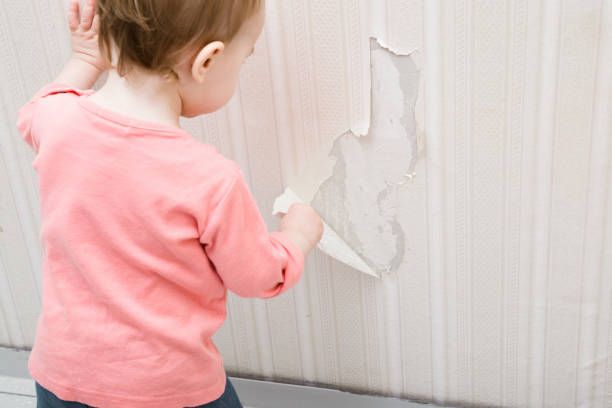
3. Careless damage. Damage caused by the tenant or their guests not taking reasonable care, such as a burn mark from a hair straightener or a drink stain left on the carpet. The tenant pays the cost of the damage up to four weeks’ rent or the owner’s insurance excess, whichever is lower. We cannot ask for or accept more than the cap and insurers cannot chase the tenant for careless damage on the owner’s behalf.
4. Intentional damage. Damage done on purpose by the tenant or their guests. The tenant can be asked to repair it or pay the full cost. Damage that results from an imprisonable offence is treated the same way. Methamphetamine contamination can also be treated as intentional damage where it is proven to have been caused by the tenant or their guests.
Careless or accidental can be hard to call
The line between careless and accidental is where most disputes land. The Tribunal looks at whether the tenant took reasonable care in the circumstances, so the same type of damage can go either way. In one decision a tenant melted carpet with a hot iron and the Tribunal treated it as accidental, so the tenant was not liable.
Who has to prove what
- The owner (through us) first has to show the damage is not fair wear and tear.
- The tenant then has to show the damage was careless rather than intentional, or that it was neither careless nor intentional.
- If the damage is neither careless nor intentional, the tenant is not liable.
This is why good photos and records from the start of the tenancy matter so much. Tenants must also tell the landlord promptly about damage. If they don’t and the damage gets worse, some of the extra cost may be recoverable from them.
At a glance: Who pays
- Fair wear and tear (scuffs by light switches, flattened carpet in the hallway, faded blinds, loose door handles): the owner
- Settling or building defects (hairline plaster cracks, nail pops, sticking doors, gaps at skirting boards): usually the builder under the defect period or warranty
- Accidental damage (storm or flood damage, damage from a burglary, a genuine accident by the tenant): the owner, usually through insurance
- Careless damage (a hair straightener burn on the vanity, red wine on new carpet, a benchtop scorched by a hot pan): the tenant, up to the lower of four weeks’ rent or the insurance excess
- Intentional damage (holes punched in walls, deliberate damage to fittings, methamphetamine contamination proven to have been caused by the tenant): the tenant, full cost
Every case turns on its own facts and evidence, so treat these examples as a guide only. Where a dispute can’t be settled with the tenant the Tenancy Tribunal makes the final call.
How The Rent House looks after your new build
The best protection for a new home is a clear record of how it looked on day one. Here is what we do:
- Detailed ingoing inspection. Before the first tenant moves in we complete an ingoing report with photos of each room, fitting and chattel. This gives us a clear record of the condition at the start to compare against at the end of the tenancy.
- Careful tenant selection. Applicants go through our screening process, including credit checks and references, before we recommend a tenant to you.
- Bond lodged. The bond is lodged with Tenancy Services and is available to cover tenant-liable costs at the end of the tenancy.
- Routine inspections. We inspect during the tenancy and report back to you with photos, so issues are picked up early rather than at move-out.
- Outgoing inspection. At the end of the tenancy we compare the home against the ingoing report and work through what is wear and tear, what is tenant-liable and what needs to go to the builder.
- Prompt repairs. With our sister company The Maintenance House on hand, most repairs can be attended to promptly and to a high standard by a team that knows how we work. For specialist jobs we call on a wide network of qualified tradespeople. If you have your own preferred contacts we’re happy to work with them too.

Your builder’s warranty
Under the Building Act, residential building work comes with a 12-month defect repair period from completion and implied warranties that can be relied on for up to 10 years. Your builder may also have provided a separate guarantee, for example through Master Builders or Certified Builders. If we spot something during the first year that looks like a building defect we will let you know, so you can raise it with your builder while it is still in the defect period. Please send us a copy of your builder’s contact details and warranty paperwork so we have it on file.
What you can do as an owner
- Have landlord insurance in place. It covers accidental damage the tenant isn’t liable for and your excess level affects the cap on careless damage. Check your excess and what the policy covers for rental properties.
- Choose durable finishes where you can. Washable paint, hard-wearing flooring in entries and kitchens plus quality door hardware all hold up better to everyday living.
- Keep your builder paperwork. Warranty details, the code compliance certificate and builder contacts make it much easier to sort out settling or defect issues quickly.
- Expect the home to be lived in. A tenanted home won’t stay showroom-new and that is fine. Our job is to make sure anything beyond normal use is picked up, recorded and dealt with fairly.
If you have questions about wear and tear or a damage issue at your property, talk to your property manager or call us on 0800 900 111.